The Strait of Hormuz oil disruption pushed global crude prices above $100 per barrel as the war involving Iran, Israel and the United States intensified.
Energy traders monitoring Strait of Hormuz oil flows report major disruptions to shipping through the strategic waterway.
The supply shock is driving volatility across global energy markets and financial exchanges.
Brent crude climbed more than 9 percent, trading above $101 in overnight markets.
Strait of Hormuz Oil Disruption Hits Global Energy Markets
Oil prices surged as traders reacted to fears of prolonged supply shortages.
Key market developments include:
- Brent crude rising above $100 per barrel
- Asian stock markets falling in early trading
- Energy traders anticipating months of market instability
Markets in Tokyo, Seoul and Hong Kong opened sharply lower following losses on Wall Street.
Analysts warn that continued disruption to Strait of Hormuz oil shipments could tighten global supply.
Strait of Hormuz Oil Routes Face Iranian Pressure
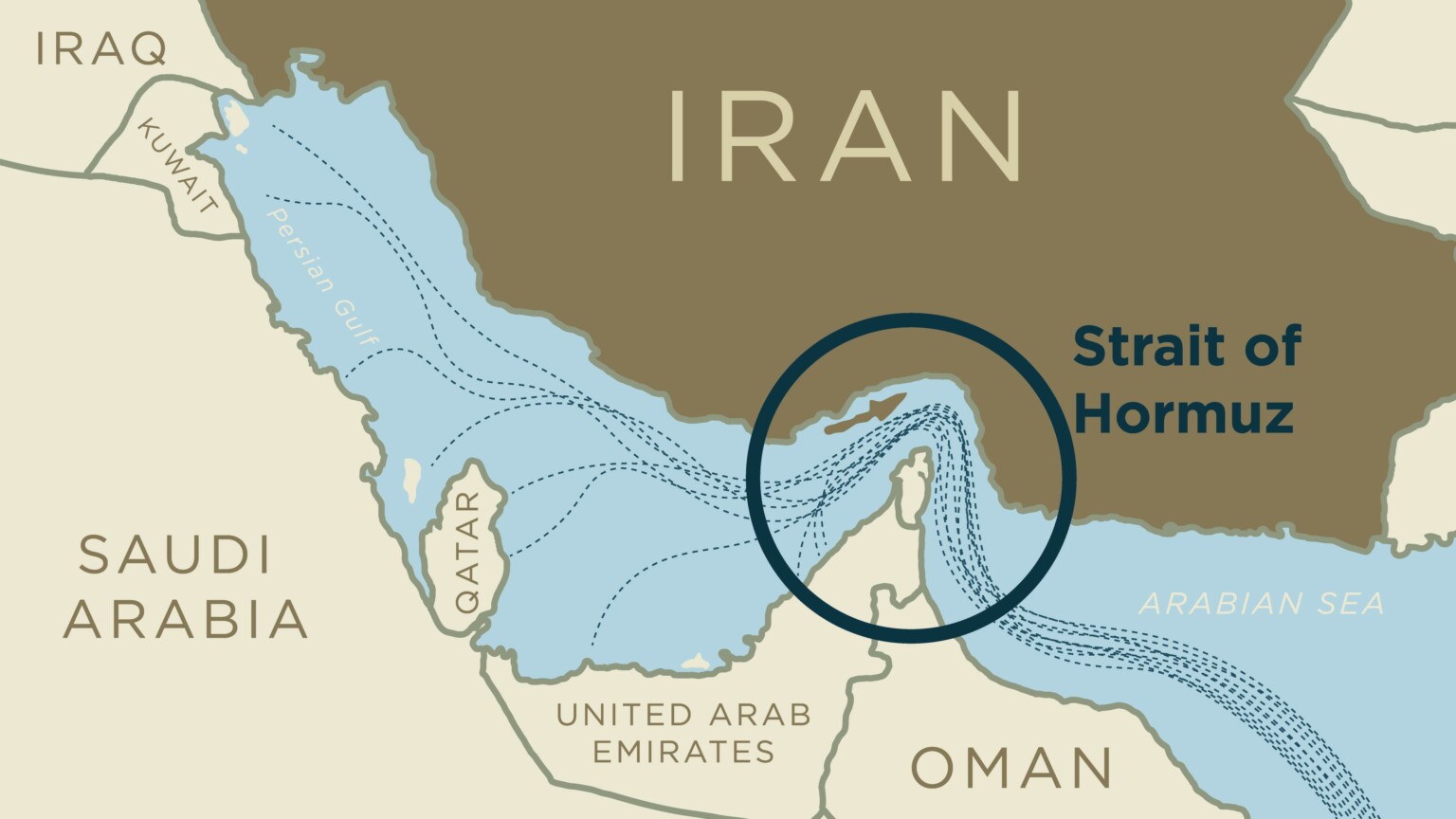
The strategic Strait of Hormuz normally transports about one-fifth of the world’s oil supply.
Iranian leadership has signaled continued pressure on shipping routes.
Mojtaba Khamenei, Iran’s supreme leader, described the disruption of shipping traffic as a strategic tool in the conflict.
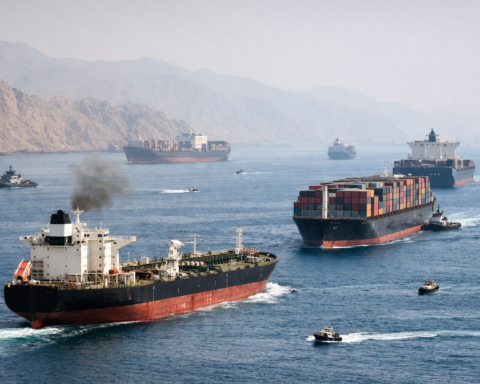
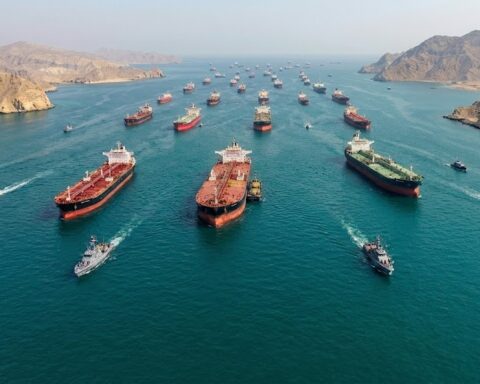
Shipping activity through the waterway has slowed dramatically.
According to the United Kingdom Maritime Trade Operations monitoring center:
- Only about five ships cross the strait daily
- The normal traffic level averages about 138 ships per day
- At least 16 commercial vessels have been attacked since the war began
Several vessels reported missile or drone attacks near the coast of Oman.
Oil Disruption Raises Global Supply Concerns
Energy authorities are attempting to stabilize markets.
The International Energy Agency announced the release of 400 million barrels of oil from emergency reserves.
However, traders remain cautious because analysts estimate the global market could face a shortfall of 15–20 million barrels per day.
The US Department of the Treasury also issued temporary measures allowing purchases of sanctioned Russian oil stranded at sea.
Despite those moves, crude prices remained above $100.
US Response to Oil Threat
Officials in Washington, D.C. are considering options to protect shipping.
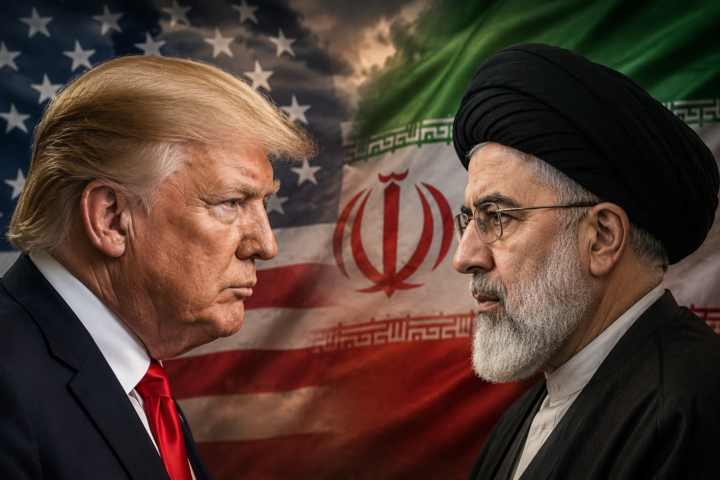
Donald Trump emphasized the priority of preventing Iran from acquiring nuclear weapons despite rising energy costs.
The Pentagon has discussed escorting commercial vessels through the strait.
However, the US Navy has not yet launched escort missions because of the risk of Iranian attacks in the narrow shipping lane.
Chris Wright, the US energy secretary, indicated such operations could begin later this month.